Step-by-Step Shraddha Procedure – Rameswaram 2026 Guide
The complete Shraddha ceremony in Rameswaram, from the Agni Theertham bath to Pind Daan and temple darshan.
Quick Answer
The Step-by-Step Shraddha Procedure in Rameswaram typically includes a holy dip at Agni Theertham, Sankalpam, Tarpanam, Pind Daan, Shraddha rituals conducted by Vedic priests, and Ramanathaswamy Temple darshan. Most ceremonies take 1–3 hours and are commonly performed on Amavasya, Mahalaya Paksha, or annual death anniversaries.
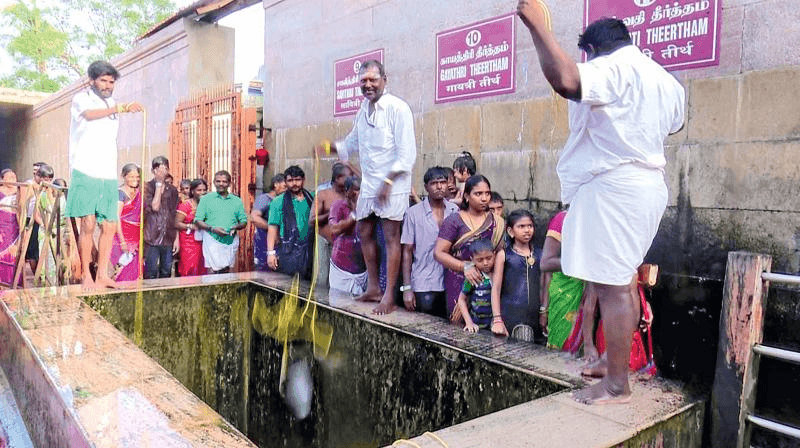
The Step-by-Step Shraddha Procedure in Rameswaram is one of the most searched topics among devotees planning ancestral rituals at one of India's holiest pilgrimage destinations. Shraddha is a sacred ceremony performed to honor departed parents, grandparents, and ancestors through offerings, prayers, and Vedic rituals.
Understanding the procedure beforehand can make your pilgrimage smoother and more meaningful, whether you are planning an annual remembrance ceremony, a Mahalaya ritual, or a special ancestral offering.
What Is Shraddha and Why Is It Important?
Shraddha is a sacred Hindu ritual performed to honor departed ancestors and seek their blessings for family prosperity, health, and spiritual well-being.
- Express gratitude to ancestors
- Fulfill family obligations
- Strengthen ancestral blessings
- Promote peace for departed souls
Step-by-Step Shraddha Procedure
Step 1: Holy Bath at Agni Theertham
The ritual begins at the sacred seashore opposite Ramanathaswamy Temple — pilgrims take a ritual bath and offer prayers to ancestors.
Step 2: Sankalpam (Sacred Intention)
The priest recites family details, remembers ancestor names, and declares the purpose of the ritual, formally beginning the ceremony.
Step 3: Tarpanam Ritual
Offerings of water, black sesame seeds, darbha grass, and sacred mantras — symbolizing nourishment and respect for departed souls.
Step 4: Pind Daan
Rice balls and traditional items are offered to ancestors — many families consider this the most significant stage.
Step 5: Vedic Shraddha Ceremony
Priests conduct specialized Vedic rituals: ancestor invocation, mantra chanting, sacred offerings, and blessing prayers.
Step 6: Brahmin Feeding and Charity
Some families perform Annadanam, Brahmin feeding, and charity offerings, traditionally associated with ancestral merit.
Step 7: Ramanathaswamy Temple Darshan
After completing Shraddha, devotees visit the temple for darshan, Shiva worship, and family prayers.
Best Dates for Shraddha in 2026
- Amavasya days — strong spiritual significance, large priest availability
- Mahalaya Paksha — among the most important periods for Shraddha
- Annual death anniversary (Thithi) — personal significance, lower crowds
- Thai Amavasai and Aadi Amavasai — widely observed throughout Tamil Nadu
Shraddha Cost in Rameswaram (2026)
- Basic Shraddha ritual: ₹1,500 – ₹3,500
- Tarpanam: ₹500 – ₹1,500
- Pind Daan: ₹500 – ₹2,000
- Complete ritual package: ₹5,000 – ₹15,000
How to Avoid Rush During Shraddha Rituals
- Arrive before sunrise for smaller crowds and faster completion
- Avoid peak reporting hours on Amavasya and Mahalaya days
- Stay near Agni Theertham to save time
Frequently Asked Questions
Step-by-Step Shraddha Procedure – Rameswaram 2026 Guide FAQs
Plan Your Rameswaram Journey
Performing Shraddha in Rameswaram is a deeply meaningful spiritual journey that allows devotees to honor their ancestors while receiving blessings for future generations.
MyRameswaramTrip helps with Shraddha booking, priest arrangements, Ramanathaswamy Temple darshan, accommodation, and transportation.