
Ramayana Pilgrimage Circuit Guide – India 2026
Ayodhya, Chitrakoot, Nashik, Hampi, and Rameswaram — how the southern leg of India's Ramayana circuit comes together.
Quick Answer
The Ramayana Pilgrimage Circuit in India includes Ayodhya, Chitrakoot, Nashik, Hampi, and Rameswaram. Among these, Rameswaram is especially important because it is associated with Lord Rama's worship of Shiva, Ram Setu construction, and the final preparations before crossing to Lanka.
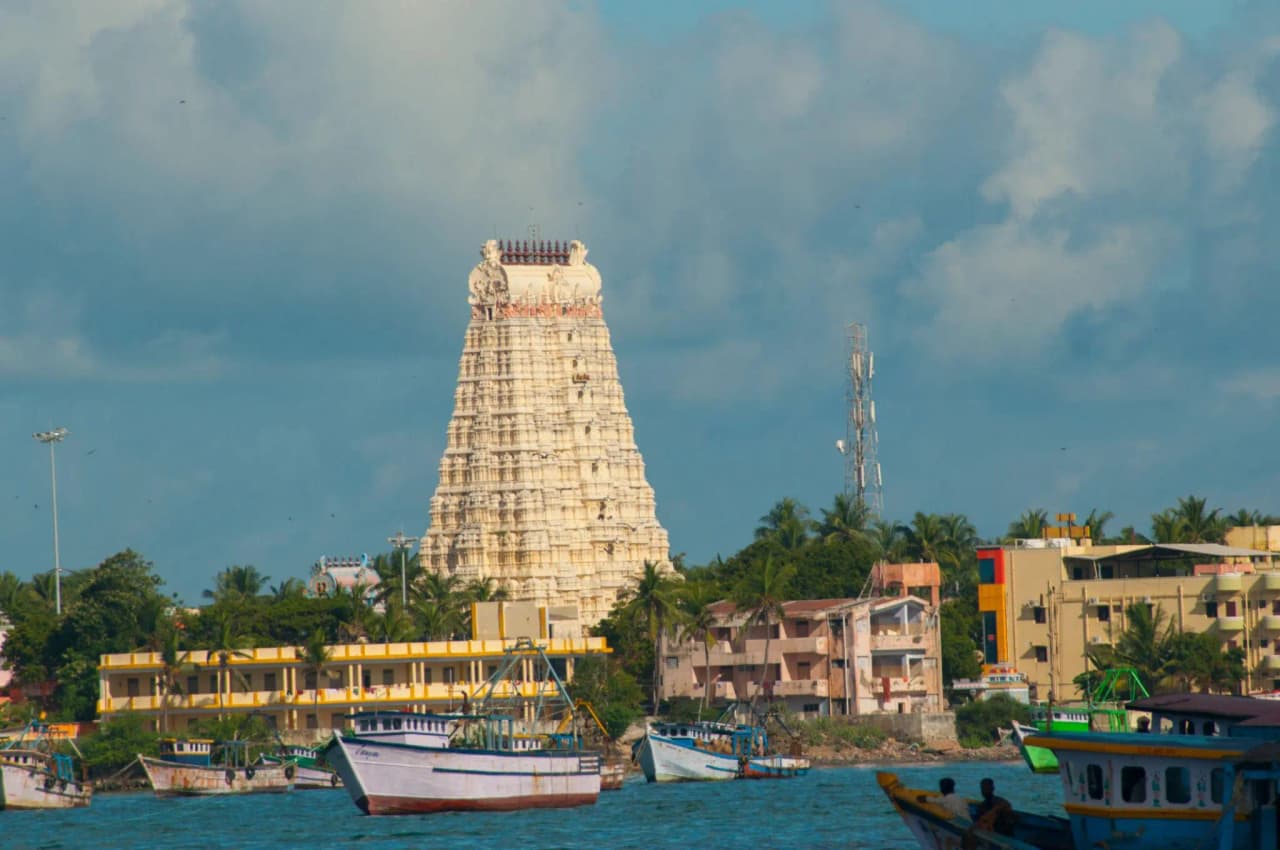
The Ramayana Pilgrimage Circuit in India is one of the most meaningful spiritual journeys for devotees seeking to follow the path of Lord Rama, Sita Devi, Hanuman, and the events described in the Ramayana. Among all destinations connected to the epic, Rameswaram occupies a uniquely important position.
This guide focuses on problem-solving for pilgrims visiting Rameswaram, helping you understand the best route, temple rituals, travel tips, seasonal conditions, and local assistance options.
Why Rameswaram Is Essential in the Ramayana Circuit
Every major Ramayana pilgrimage eventually leads devotees to Rameswaram. According to Hindu tradition, this is where Lord Rama worshipped Lord Shiva, Sita Devi created the sacred sand lingam, Hanuman returned from Kailash, the Vanara Sena gathered, and Ram Setu construction began.
Major Destinations in the Ramayana Pilgrimage Circuit
1. Ayodhya (Uttar Pradesh)
The birthplace of Lord Rama — Ram Janmabhoomi, sacred ghats, and Ramayana heritage sites.
2. Chitrakoot (Uttar Pradesh / Madhya Pradesh)
Associated with Lord Rama's exile period — Kamadgiri, Ram Ghat, Bharat Milap locations.
3. Nashik (Maharashtra)
Connected to the Panchavati episode — Sita Gufa, Panchavati, Godavari River.
4. Hampi / Kishkindha (Karnataka)
Traditionally linked to the Vanara kingdom — Anjanadri Hill, Sugriva Cave, Kishkindha region.
5. Rameswaram (Tamil Nadu)
The final and most significant southern destination, where pilgrims experience the connection between devotion, sacrifice, and Lord Rama's journey to Lanka.
Sacred Ramayana Locations in Rameswaram
Ramanathaswamy Temple
The spiritual center of Rameswaram. Timings: Morning 5:00 AM – 1:00 PM, Evening 3:00 PM – 9:00 PM. Visit before 6:00 AM for shorter queues.
Agni Theertham
Located approximately 300 meters from the temple entrance — a sacred sea bath, prayers, and purification before darshan. Best time: sunrise to 7:00 AM.
Dhanushkodi
Approximately 20 km from the temple, traditionally associated with the beginning of Ram Setu.
Ramanathaswamy Temple Darshan Process
- Agni Theertham bath — spiritual purification, traditional pilgrimage sequence
- 22 Theertham bath — 30–60 minutes, up to 90 during festivals
- Main darshan — special darshan tickets available during peak periods
How to Avoid Rush During Your Pilgrimage
- Avoid Amavasya, Mahalaya Paksha, Shivaratri, and public holidays
- Best days: Tuesday, Wednesday, Thursday
- Best timing: 5:00 AM to 8:00 AM
Seasonal Travel Guide
- October to February: best pilgrimage season, pleasant temperatures
- March to June: summer, start early and stay hydrated
- July to September: monsoon, check weather before coastal travel
Frequently Asked Questions
Ramayana Pilgrimage Circuit Guide – India 2026 FAQs
Plan Your Rameswaram Journey
Rameswaram completes India's Ramayana pilgrimage circuit with a powerful blend of temple worship, sacred rituals, and Ram Setu heritage.
MyRameswaramTrip can assist with temple darshan support, puja booking, local transportation, Dhanushkodi travel arrangements, accommodation guidance, and complete pilgrimage planning for the Rameswaram leg of your journey.