
Who Should Perform Pitru Dosha Parihara? – Rameswaram Guide 2026
Signs of Pitru Dosha, who should perform the remedy, and how the ritual is conducted at Agni Theertham.
Quick Answer
Pitru Dosha Parihara should be performed by individuals experiencing recurring family, marriage, health, financial, or progeny-related obstacles believed to be linked to ancestral karmic issues. The ritual is commonly performed by the eldest son, family head, or any responsible family member at Rameswaram, especially near Agni Theertham and the sacred Ramanathaswamy Temple.
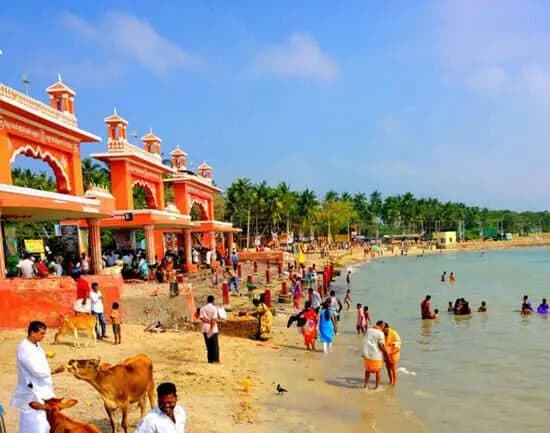
Pitru Dosha Parihara is one of the most sought-after ancestral remedies performed in Rameswaram, attracting thousands of devotees every year. Many families visit seeking relief from recurring obstacles, delayed marriages, financial instability, health concerns, and unexplained family problems believed to be connected to ancestral karmic influences.
Rameswaram is regarded as one of India's most powerful destinations for ancestral rituals because of its connection to Lord Rama, who is believed to have performed rites for his ancestors here before worshipping Lord Shiva.
What Is Pitru Dosha?
Pitru Dosha refers to unfavorable ancestral karmic influences believed to arise when ancestral obligations remain unfulfilled or when forefathers have not received proper remembrance rituals.
- Delayed marriage
- Repeated financial setbacks
- Difficulty in conceiving children
- Family disputes
- Career instability
- Recurring health issues
Who Should Perform Pitru Dosha Parihara?
Individuals Facing Repeated Life Obstacles
Business losses, job instability, educational obstacles, legal complications, and repeated project failures.
Families Experiencing Delayed Marriage
Marriage delays are among the most common reasons devotees perform this remedy in Rameswaram.
Couples Seeking Children
Many couples facing conception challenges visit Rameswaram to perform ancestral rites and seek blessings for progeny.
Those With Unperformed Ancestor Rituals
If annual Shraddha or Tarpanam ceremonies were missed, this ritual can be considered a spiritual remedy.
People Following Astrological Guidance
Many are advised by astrologers to perform ancestral remedies when Pitru Dosha appears in their horoscope.
Why Is Rameswaram Considered Special for This Remedy?
- Presence of the sacred Ramanathaswamy Temple
- Ritual importance of Agni Theertham
- Connection to Lord Rama
- Traditional Vedic priests specializing in ancestral rites
Pitru Dosha Parihara Process in Rameswaram
- Holy bath at Agni Theertham, opposite the temple
- Tarpanam ritual — water, black sesame seeds, darbha grass, mantras
- Pind Daan — rice ball offerings
- Pitru Dosha Parihara puja — special prayers for forgiveness and blessings
- Ramanathaswamy Temple darshan
Cost in Rameswaram (2026)
- Basic Tarpanam: ₹500 – ₹1,500
- Pitru Dosha Parihara puja: ₹2,000 – ₹6,000
- Comprehensive ritual package: ₹5,000 – ₹15,000
- Special family ceremonies: ₹10,000+
Advance booking is highly recommended during Amavasya, Mahalaya Paksha, Thai Amavasai, and Aadi Amavasai.
How to Avoid Crowds During Rituals
- Arrive before sunrise
- Avoid peak Amavasya hours if flexible
- Complete the 22 Theertham bath early
- Book priests in advance
- Visit during weekdays whenever possible
Frequently Asked Questions
Who Should Perform Pitru Dosha Parihara? – Rameswaram Guide 2026 FAQs
Plan Your Rameswaram Journey
Pitru Dosha Parihara in Rameswaram remains one of the most respected ancestral remedies in Hindu tradition. Combining Agni Theertham rituals, Tarpanam, the 22 Theertham bath, and Ramanathaswamy Temple darshan creates a meaningful pilgrimage experience.
MyRameswaramTrip helps pilgrims organize Pitru Dosha Parihara, darshan services, transportation, and complete pilgrimage packages with trusted local assistance.