
Panchamukhi Hanuman Temple – 2026 Guide
The five-faced Hanuman idol and the floating stones believed to be from Ram Setu.
Quick Answer
Panchamukhi Hanuman Temple in Rameswaram is famous for its five-faced Hanuman idol and floating stones believed to be from Ram Setu. It is located near Ramanathaswamy Temple, open daily for darshan, and is a key Ramayana pilgrimage site in Rameswaram.
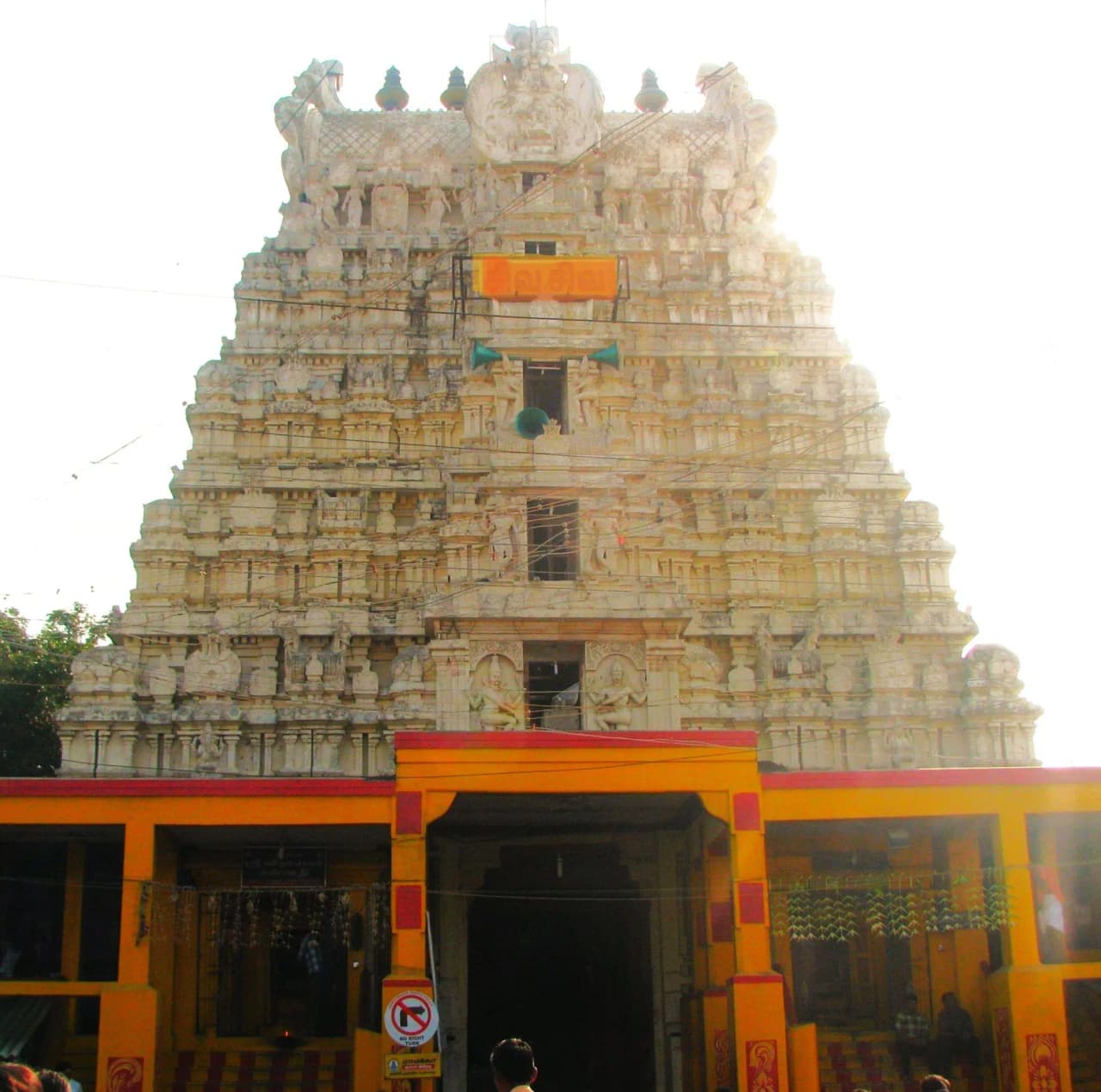
Known for its five-faced Hanuman idol and the legendary floating stones believed to be part of Ram Setu, this temple attracts thousands of devotees every year — and it's just a short distance from Ramanathaswamy Temple.
This guide explains the temple's unique features, timings, and how to fit it into your temple circuit.
Why It's Called Panchamukhi Hanuman
'Panchamukhi' means 'five faces.' The idol represents five forms of Lord Hanuman: Hanuman (East), Narasimha (South), Garuda (West), Varaha (North), and Hayagriva (Upward). According to legend, Lord Hanuman took this five-faced form to extinguish five lamps simultaneously to defeat a demon during the Ramayana period.
The Floating Stones on Display
One of the biggest attractions inside the temple is a display of floating stones, believed by devotees to have been used in constructing Ram Setu and to float due to divine blessing.
Darshan Timings
- Morning: 6:00 AM – 12:30 PM
- Evening: 4:00 PM – 8:30 PM
Festival days like Hanuman Jayanti may have extended hours and larger crowds.
Ramayana Circuit Sequence
- Ramanathaswamy Temple darshan
- Panchamukhi Hanuman Temple
- Ramar Patham
- Kothandaramaswamy Temple
- Dhanushkodi visit
Frequently Asked Questions
Panchamukhi Hanuman Temple – 2026 Guide FAQs
Plan Your Rameswaram Journey
The unique five-faced idol and mysterious floating stones make this temple an essential stop for anyone following the Ramayana heritage trail in Rameswaram.
MyRameswaramTrip helps coordinate darshan planning and complete Rameswaram itinerary guidance.