
Dravidian Architecture Style in Rameswaram – 2026 Guide
Gopurams, corridors, pillars and sacred tanks — how classical South Indian temple design comes alive at Ramanathaswamy Temple.
Quick Answer
Dravidian Architecture in Rameswaram is best represented by Ramanathaswamy Temple, featuring massive gopurams, intricate granite pillars, long corridors, and sacred water tanks. Built primarily by the Sethupathi rulers, it reflects classical South Indian temple design with spiritual symbolism and precise geometric alignment.
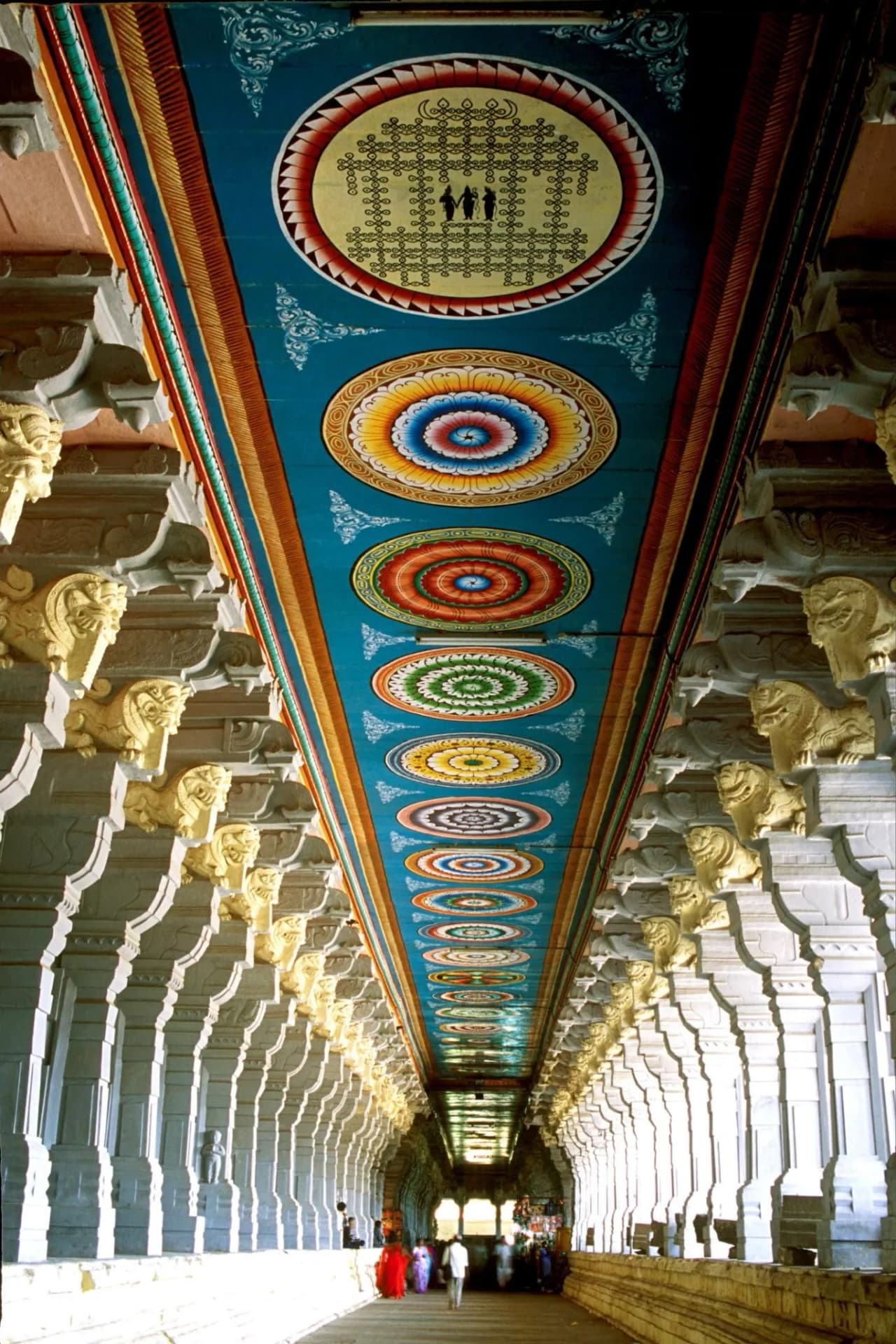
Dravidian Architecture Style in Rameswaram represents one of South India's most powerful expressions of temple design, spiritual symbolism, and engineering brilliance. If you are planning a pilgrimage, architectural exploration, family temple visit, or cultural study tour in 2026, understanding the Dravidian style here will deeply enhance your experience.
Rameswaram is home to one of India's most sacred Jyotirlinga temples — Ramanathaswamy Temple — which stands as a masterpiece of classical Dravidian temple architecture. From towering gopurams to the world's longest temple corridor, every structure reflects centuries of devotion and craftsmanship.
Understanding Dravidian Architecture in Rameswaram
Dravidian architecture developed in Tamil Nadu between the 6th and 16th centuries. Rameswaram's temple is one of the finest living examples.
- Tall pyramid-shaped gopurams (entrance towers)
- Symmetrical corridors (prakarams)
- Granite sculpted pillars
- Sacred temple tanks (theerthams)
- Mandapams for rituals
- Carved deities and mythological motifs
Unlike North Indian Nagara-style temples, Dravidian temples are horizontal in layout but vertically dominant at entrance points.
Micro-Location: Architecture Near the East Gate & Agni Theertham
Agni Theertham is just 100–150 meters from the East Gate of Ramanathaswamy Temple.
- Agni Theertham to East Gate: ~2 minutes walk
- East Gate to main corridor: ~3–5 minutes
- Railway Station to Temple: ~2 km (10 min auto)
If you want to closely study the Dravidian architectural features, entering through the East Gate provides the most direct and visually impactful approach.
Architectural Highlights Inside Ramanathaswamy Temple
1. The Majestic Gopurams
The eastern and western gopurams rise dramatically, visible from a distance. These are layered pyramidal towers adorned with deities, symbolizing spiritual ascent.
2. The Longest Temple Corridor
The outer corridor stretches approximately 1,200 meters with 1,212 pillars — a hallmark of Dravidian geometry and symmetry.
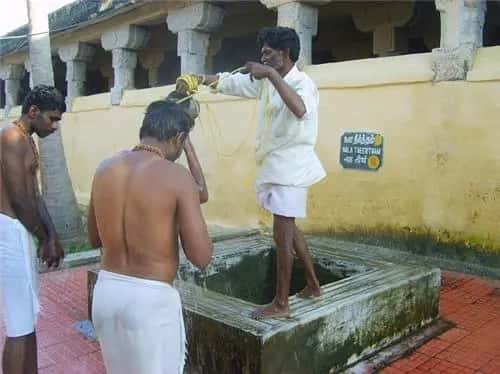
3. Sacred 22 Theertham Wells
The 22 Theertham bath ritual is integrated into the temple's design. Each well is structurally aligned within the architectural grid — reflecting how Dravidian architecture blends spirituality with structural planning.
Temple Timings & Best Time to Observe Architecture (2026)
Rameswaram Temple Timings: Morning 5:00 AM – 1:00 PM, Evening 3:00 PM – 9:00 PM.
- 5:30 AM – 7:00 AM: less crowd, best for observation
- Tuesday & Wednesday: lower pilgrim traffic
- Avoid Amavasya & Mahalaya days — movement is slow due to heavy darshan crowds
Process Flow: Architecture + Ritual Experience
- Perform Agni Theertham rituals (early morning)
- Purchase 22 Theertham ticket
- Complete sacred bath
- Change clothes
- Walk through the corridor observing pillars
- Proceed for darshan
Puja Booking & Structural Mandapams
The temple includes several mandapams designed for rituals.
- Puja booking should be pre-arranged for peak days
- Shraddha rituals require advance coordination
- A special darshan ticket reduces waiting time
Seasonal Travel Insights (2026)
- November – February: best climate for architectural photography and walking
- March – June: high temperature, granite floors become warm
- October – December: occasional rain, carry umbrellas
- Monsoon season: strong coastal winds advisory
Temple Rules While Exploring Architecture
- No footwear inside
- Photography restricted near the sanctum
- Traditional dress preferred
- Avoid blocking pathways
- Maintain silence in inner prakarams
Senior citizens should avoid the 8 AM – 12 PM peak hours.
Combining Architecture Visit with Dhanushkodi Travel
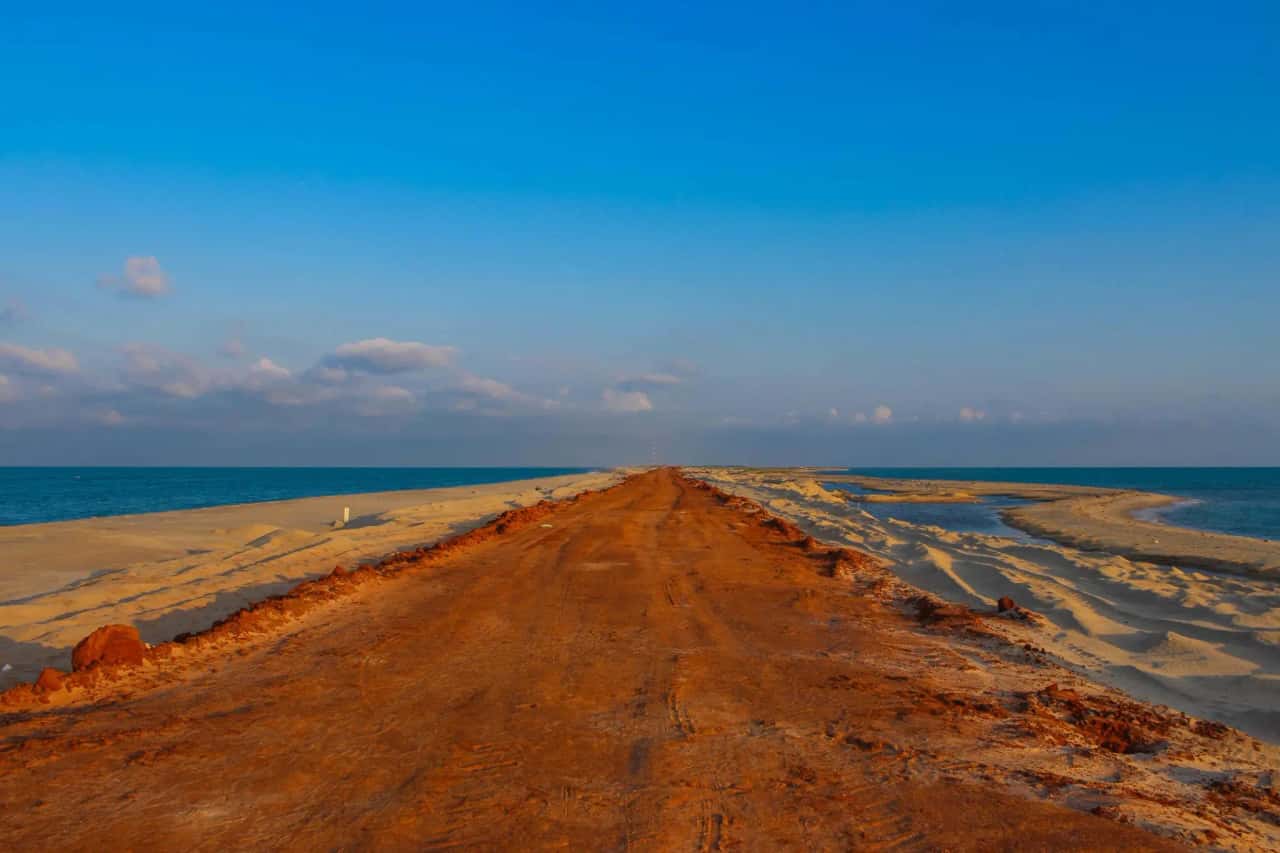
After the temple visit, pilgrims often explore Dhanushkodi (20 km from the temple).
- Travel time: 30–40 minutes
- Best time: sunrise or sunset
- Road condition (2026): smooth and fully motorable
Why Dravidian Architecture in Rameswaram Is Unique
- Integrates ocean ritual (Agni Theertham) directly with the temple axis
- Corridor symmetry is unmatched
- Water wells are architecturally aligned
- Temple layout enhances pilgrimage flow
The geometry supports ritual progression — from purification to darshan.
Frequently Asked Questions
Dravidian Architecture Style in Rameswaram – 2026 Guide FAQs
Plan Your Rameswaram Journey
Dravidian Architecture in Rameswaram is not just stone and structure — it is a living spiritual system designed to guide pilgrims from purification to divine connection. From towering gopurams to the longest temple corridor and sacred 22 Theertham wells, every element has symbolic meaning.
MyRameswaramTrip provides trusted local guidance for darshan support, puja booking, 22 Theertham assistance, Dhanushkodi travel planning, and stay arrangements near the temple.