
Dhanushkodi Travel & Mythology – 2026 Guide
The Ramayana legend, the 1964 cyclone ruins, and how to plan a sunrise visit.
Quick Answer
Dhanushkodi is a historic coastal town near Rameswaram, believed to be where Lord Rama built the Ram Setu bridge to Lanka in the Ramayana. Today, it is a scenic tourist and pilgrimage destination known for its mythological significance, sunrise views, and the remains of the 1964 cyclone-destroyed town.
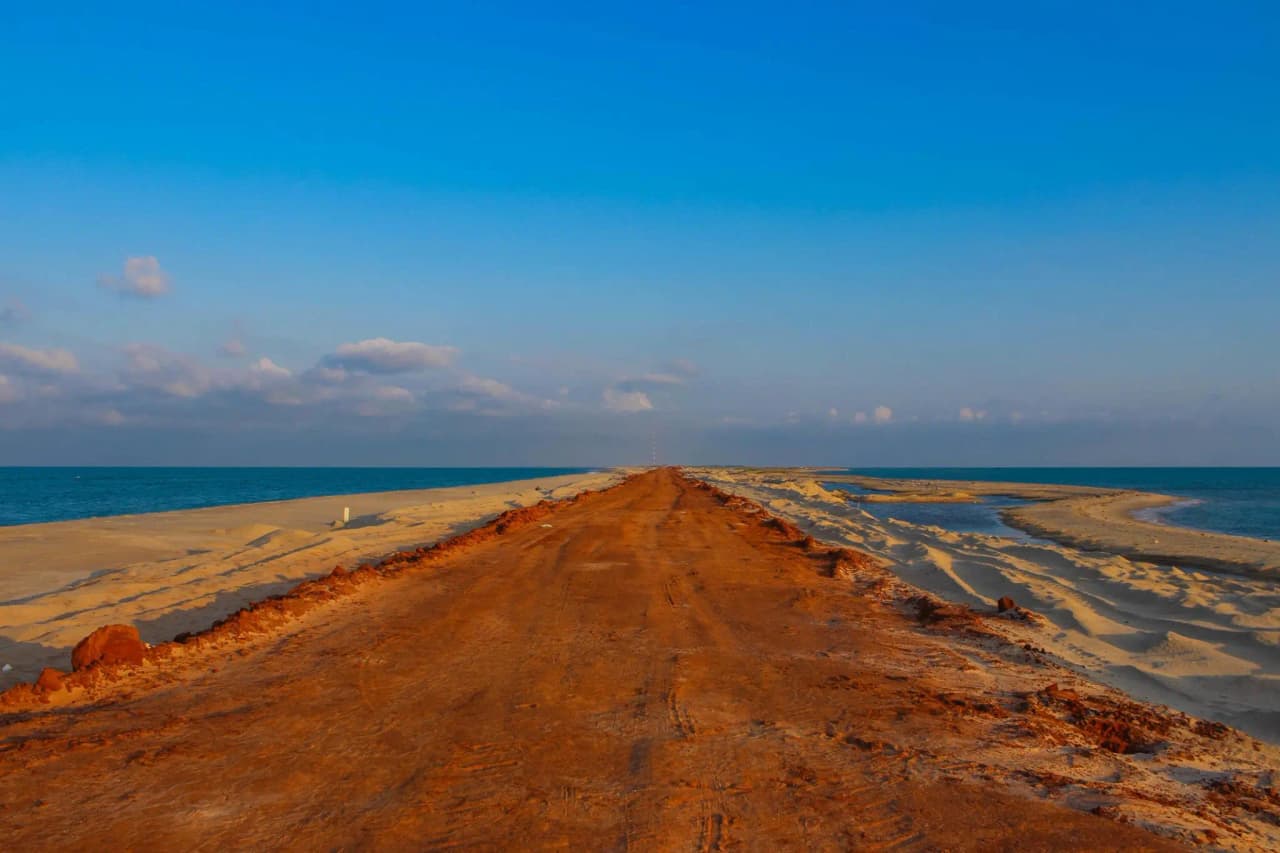
Located just 20 km from Rameswaram, Dhanushkodi is not just a scenic beach destination — it is deeply connected to the epic Ramayana and holds immense religious significance, alongside a haunting history from the 1964 cyclone.
This guide covers the mythology, historical ruins, and practical visiting tips for 2026.
The Mythological Importance
According to Hindu belief, Dhanushkodi is where Lord Rama ordered the construction of Ram Setu. It is believed Lord Rama used his bow (Dhanush) to break part of the bridge after returning from Lanka — hence the name 'Dhanushkodi', meaning 'End of the Bow'.
The 1964 Cyclone Ruins
- A passenger train was swept away
- Hundreds lost their lives
- The town was declared 'unfit for living'
Visitors can still see old church ruins, railway station remains, and broken structures near the shore.
Best Time to Visit
- Sunrise: 5:30 AM – 7:00 AM, one of the most beautiful in Tamil Nadu
- Ideal months: October to March
- Avoid peak afternoon heat (April–June)
What to Do in Dhanushkodi
- Visit the Ram Setu viewpoint
- Explore the old church and railway station ruins
- Walk the clean, less commercialized beach
- Photograph the wide-angle sea landscape
Frequently Asked Questions
Dhanushkodi Travel & Mythology – 2026 Guide FAQs
Plan Your Rameswaram Journey
Dhanushkodi is more than a beach destination — it is a sacred land rooted in Ramayana mythology, spiritual belief, and historical tragedy.
MyRameswaramTrip provides sunrise planning, temple coordination, and local guidance for your Dhanushkodi visit.